Source Coaxial High Torque Planetary Gearbox for Motors
Find 30 coaxial high torque planetary gearbox options for agricultural machinery, industrial motors, and general machinery applications. Compare specifications including ratios up to 4000, output torques up to 260000 N.m, and various mounting styles to identify the right gear reducer for your mechanical drive needs.
Key considerations
Products List


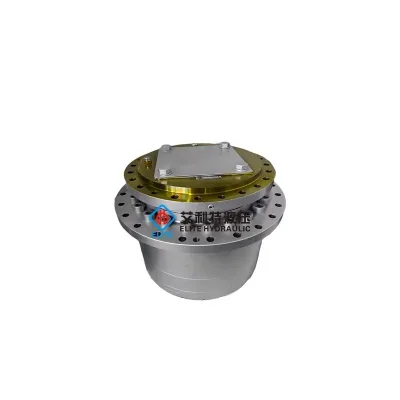


Comprehensive Sourcing Guide
Coaxial High Torque Planetary Gearbox Sourcing Guide
Buyers must first distinguish between the specific coaxial configurations available, as the observed market data indicates a mix of planetary and cylindrical designs with varying step counts. While some listings explicitly describe a coaxial layout with bevel gears, others present cycloidal or standard planetary units that may not share the exact same shaft alignment. This distinction is critical because the mechanical integration requirements for a true coaxial high-torque unit differ significantly from offset or inline arrangements found in other catalog entries.
Procurement teams should verify the specific step configuration, as the data shows options ranging from single-step to four-step arrangements. A single-step unit typically offers a lower ratio range, whereas multi-step designs like the three-step or four-step variants provide the high reduction ratios necessary for extreme torque applications. Understanding this internal architecture helps buyers select a unit that matches their specific speed reduction needs without over-engineering the drive system or compromising on efficiency.
Product Scope and Observed Listing Signals
The observed product range demonstrates a vast spectrum of power ratings, extending from 0.16 kW up to nearly 13,000 kW depending on the specific model and customization. Buyers should note that while some entries list fixed power ranges like 0.4 kW to 12,934 kW, others indicate power is determined strictly by customer requirements. This variability suggests that high-torque coaxial solutions are often engineered to order rather than stocked as standard off-the-shelf items, requiring early engagement with the supplier to define the exact power envelope.
Listing signals also reveal diverse output torque capabilities, with some units capable of delivering nominal output torque up to 260,000 N·m. The ratio range is equally expansive, spanning from 2.8 to 4,000, which allows for precise matching of motor speeds to load requirements. However, the presence of different gear shapes, such as helical and bevel gears, alongside varying accuracy classes from 4 to 6, means that buyers must carefully cross-reference the specific application demands against the listed technical attributes to ensure compatibility.
Technical Specifications to Verify
Verification of the gear arrangement is paramount, as the market data includes both planetary gear units and cylindrical gear boxes with distinct mechanical behaviors. Buyers must confirm whether the unit utilizes a planetary gear arrangement for high torque density or a different configuration that might suit specific space constraints. The accuracy class, observed between 5 and 6 for some models and 4 to 5 for others, directly impacts the precision of motion control, which is a decisive factor for applications requiring high positional accuracy.
The installation form and layout must be scrutinized to ensure physical compatibility with existing machinery. While some units are designed for horizontal installation with flange or foot mounting options, others feature a coaxial layout that simplifies alignment but requires specific housing dimensions. Additionally, the hardness of the tooth surface, typically hardened, and the manufacturing method involving forging and grinding, are essential indicators of durability and load-bearing capacity that must be validated against the intended operational stress.
Compliance and Safety Documentation
Although specific certification statuses are not universally listed for every entry, buyers should request proof of adherence to recognized international standards such as ISO. The presence of a standard labeled "ISO" in some product attributes suggests that compliant units exist, but it is the buyer's responsibility to verify that the specific batch or model meets the relevant safety and quality protocols for their industry. This verification is crucial for ensuring that the gearbox will operate safely under the high torque loads observed in the market data.
Documentation regarding the manufacturing method and material composition is equally vital for safety and longevity assessments. The data indicates the use of cast iron and processes like forging and grinding, which influence the structural integrity of the unit. Buyers should demand material certificates and test reports that confirm these manufacturing claims, ensuring that the final product can withstand the mechanical stresses of industrial applications without premature failure or safety hazards.
Cost Drivers and Commercial Terms
Pricing in this sector is heavily influenced by the degree of customization and the specific power or torque requirements of the order. Since some listings state that power is "according to customer requirements," the cost will fluctuate based on the complexity of the design and the materials selected. Buyers should anticipate that high-torque, multi-step units with custom ratios and specific accuracy classes will command a premium compared to standard, single-step configurations with fixed specifications.
Commercial terms regarding packaging and logistics also play a significant role in the total cost of ownership. The observed data lists various packing methods, including fumigation cases, plywood cases, wooden cases, and cartons, each with different implications for shipping costs and protection during transit. Additionally, the origin of the product, identified as China, may affect lead times and import duties, requiring buyers to factor these logistical variables into their overall budget and procurement timeline.
Supplier Qualification and Quality Control
Evaluating the supplier's capability to handle customization is a primary qualification step, as the market data confirms that customization is available across the product range. Buyers should assess the supplier's engineering resources to ensure they can deliver the specific layout, ratio, and power requirements without compromising the integrity of the coaxial design. The ability to produce units with varying step counts and gear arrangements indicates a flexible manufacturing base capable of meeting diverse industrial needs.
Quality control processes must be verified through the supplier's adherence to their stated manufacturing methods and standards. The mention of specific processes like forging and grinding, along with hardened tooth surfaces, implies a need for rigorous quality assurance to maintain the high accuracy classes observed. Buyers should request details on the supplier's internal testing protocols and inspection procedures to ensure that every unit, regardless of its specific model or configuration, meets the required performance and durability standards.
Long-Term Procurement Checks
Sustainability of the supply chain requires monitoring the consistency of product attributes over time, particularly regarding the accuracy class and gear arrangement. As the market shows a range of accuracy classes and step configurations, buyers must ensure that future orders match the specifications of the initial successful installation. Any deviation in these critical parameters could lead to performance issues, making it essential to maintain strict control over the product specifications throughout the procurement lifecycle.
Maintenance and spare parts availability are also critical long-term considerations for high-torque coaxial gearboxes. The variety of packing methods and the custom nature of the power ratings suggest that standardization may be limited, potentially complicating the sourcing of replacement parts. Buyers should establish a clear agreement with the supplier regarding the availability of spare components and the longevity of the product design to ensure that the equipment remains operational and efficient for years of continuous industrial use.
FAQs
What is the maximum output torque for coaxial high torque planetary gearboxes?
The nominal output torque can reach up to 260000n.M for these units. This high capacity supports heavy-duty industrial applications requiring significant force transmission. The design ensures robust performance under demanding operational loads while maintaining structural integrity and efficiency in mechanical systems.
Can coaxial high torque planetary gearboxes be customized for specific needs?
Yes, customization is available for these gearboxes to meet unique operational requirements. Buyers can specify parameters such as power ratings, ratios, and installation forms. This flexibility allows engineers to tailor the unit precisely to their machinery, ensuring optimal integration and performance in specialized industrial environments.
What materials are used in manufacturing coaxial high torque planetary gearboxes?
These gearboxes are typically manufactured using cast iron for the housing. The tooth surfaces are hardened, and the manufacturing method involves forging and grinding. This combination ensures durability, high hardness, and precise gear meshing, which are essential for handling high torque and maintaining long-term reliability in machinery.
What is the typical ratio range for these planetary gear reducers?
The ratio range typically spans from 25 to 4000. This wide variability allows for precise speed reduction or increase depending on the application. Buyers can select specific ratios to match their motor input speeds, ensuring the output meets the exact rotational speed requirements of their driven equipment.
How are coaxial high torque planetary gearboxes packaged for shipping?
Packaging options include fumigation cases, plywood cases, wooden cases, or cartons. The choice depends on the specific model and shipping requirements. These robust packaging methods protect the gearboxes from damage during transit, ensuring they arrive in pristine condition ready for immediate installation and operation in industrial settings.
What is the accuracy class of these planetary gear units?
The accuracy class generally ranges from 4 to 6 for these units. This precision level ensures smooth operation and minimal backlash in mechanical transmissions. Higher accuracy classes are suitable for applications requiring precise positioning and consistent performance, making them ideal for advanced machinery and automated systems.